
No products in the cart.
Sale!

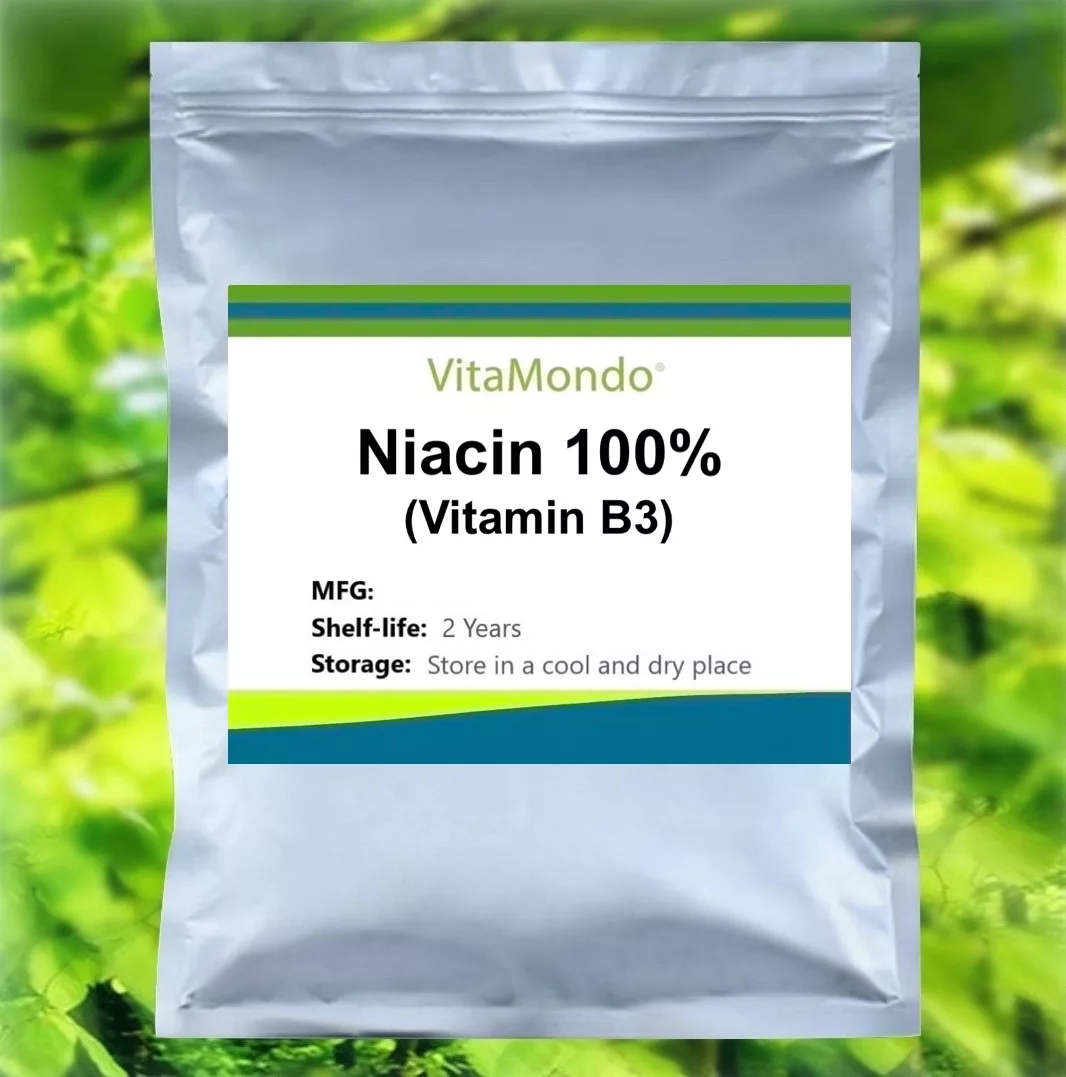

Niacin 100% (Vitamin B3): 100g–1kg – Energy & Metabolism, Nicotinic Acid
Price range: 16.08 $ through 57.91 $
Niacin (Vitamin B3) is an essential water-soluble vitamin that supports normal energy-yielding metabolism and contributes to the reduction of tiredness and fatigue. It plays a key role in normal nervous system and psychological function and helps maintain healthy skin and mucous membranes.
Niacin is an important daily micronutrient for overall metabolic balance, mental performance, and general well-being, making it suitable for active lifestyles and everyday nutritional support.
- Description
- Additional information
- Reviews (0)
Description
Niacin 100% (Vitamin B3, Nicotinic Acid)
Niacin (Nicotinic Acid), also known as vitamin B3, is an essential water-soluble vitamin that plays a central role in human metabolism, cellular energy production, and overall physiological balance. As a dietary supplement, it has been used for decades to support general health and well-being, and it remains one of the most important members of the B-vitamin family. Niacin is naturally present in foods such as meat, fish, whole grains, legumes, and nuts, but supplementation can be useful in modern diets where intake may be suboptimal or where nutritional demands are higher.
Key Support Areas:
1. Energy Metabolism and Cellular Function
One of niacin’s most fundamental roles is its contribution to normal energy-yielding metabolism. Niacin is a key precursor for the coenzymes NAD⁺ (nicotinamide adenine dinucleotide) and NADP⁺, which are required for hundreds of enzymatic reactions in the body. These coenzymes are essential for converting carbohydrates, fats, and proteins into usable cellular energy (ATP). Adequate intake helps support physical energy levels, metabolic efficiency, and overall vitality, particularly during periods of high physical or mental demand.
2. Support for the Nervous System and Mental Function
Niacin contributes to the normal functioning of the nervous system, an EU-approved health claim. It plays an important role in neurotransmitter synthesis and nerve signaling, helping maintain normal cognitive function and mental clarity. Sufficient niacin intake supports concentration, alertness, and overall psychological function, especially in individuals experiencing fatigue or nutritional stress.
In addition, it contributes to normal psychological function, supporting mood stability and mental resilience as part of a balanced diet.
3. Reduction of Tiredness and Fatigue
Another well-recognized benefit of this supplement is its contribution to the reduction of tiredness and fatigue, which is an approved claim in the EU. By supporting efficient energy metabolism and cellular function, niacin helps the body maintain steady energy levels throughout the day. This makes niacin-containing supplements popular in formulations aimed at active individuals, professionals with demanding schedules, and those experiencing temporary fatigue.
4. Skin Health and Barrier Function
Niacin plays a significant role in maintaining normal skin health. It supports the integrity of the skin barrier, helping the skin retain moisture and protect against environmental stressors. Niacinamide is particularly well known for its role in skin metabolism and cellular renewal. Adequate intake supports healthy-looking skin and normal mucous membranes, another EU-recognized function of vitamin B3.
5. Digestive System Support
Niacin contributes to the normal functioning of the digestive system, supporting enzyme activity and nutrient metabolism within the gastrointestinal tract. Historically, adequate intake of nicotinic acid has been associated with maintaining normal digestive comfort and nutrient absorption. This function highlights niacin’s importance not only in energy metabolism but also in overall nutritional balance.
6. Cardiovascular and Metabolic Wellness (General Support)
Niacin has long been studied in the context of lipid and cardiovascular metabolism. While disease-related claims are not appropriate for supplements, niacin’s role in normal fat and carbohydrate metabolism supports overall metabolic health. By participating in lipid metabolism and cellular redox reactions, it contributes to maintaining metabolic balance as part of a healthy lifestyle that includes proper diet and physical activity.
7. Cellular Protection and Healthy Aging
Through its role in NAD⁺ production, niacin supports cellular repair mechanisms and redox balance, which are increasingly associated with healthy aging processes. NAD⁺ is involved in DNA repair, mitochondrial function, and cellular stress responses. While aging-related claims must be made carefully, maintaining adequate niacin intake supports normal cellular function over time and aligns with modern interest in long-term metabolic and cellular health.
Forms of Niacin and Tolerability
Niacin is available in several supplemental forms, most commonly nicotinamide (niacinamide) and nicotinic acid. Nicotinamide is widely used in EU supplements because it does not cause flushing and is well tolerated at typical dietary supplement doses. Nicotinic acid may cause a temporary flushing sensation at higher intakes, which is harmless but not always desirable for everyday supplementation.
Safety and Suggested Use
At nutritional doses, niacin is considered safe and well tolerated for most adults. Because it is water-soluble, excess amounts are typically excreted by the body. When used within established guidelines, niacin fits well into daily wellness routines and multivitamin formulations.
16–50 mg/day
Mild flushing may occur in sensitive individuals. Often used at low doses in multivitamins.
Disclaimer
The various effects are not guaranteed and results may vary due to several factors between different people.
We strive to ensure the accuracy of the information provided by the manufacturers and recommend that you read all labels and warnings. However, the information is not a substitute for, nor does it replace, professional medical advice, diagnosis, or treatment.
Additional information
| Weight | N/A |
|---|---|
| Weight | 100g (3.5oz), 200g (7.1oz), 500g (17.6oz), 1000g (35.3oz) |
Only logged in customers who have purchased this product may leave a review.
Related products
-
Sale!

Pure Boswellia Extract: 100g–1kg – Anti-Inflammatory Resin Support
Price range: 22.38 $ through 79.80 $ Select options This product has multiple variants. The options may be chosen on the product page -
Sale!

Organic Shiitake Mushroom Extract Powder: 100g-1kg – AHCC, Energy Support
Price range: 19.86 $ through 83.52 $ Select options This product has multiple variants. The options may be chosen on the product page -
Sale!
Enteric-Coated Serrapeptase 400mg * 100 Caps – Enzyme & Wellness Support
Price range: 30.04 $ through 122.87 $ Select options This product has multiple variants. The options may be chosen on the product page -
Sale!
Organic Inulin 95%: 100g-1kg – Prebiotic Fiber, Sunchoke Extract
Price range: 22.00 $ through 83.44 $ Select options This product has multiple variants. The options may be chosen on the product page
































Reviews
There are no reviews yet.